Halloumi Uncovered: History, Production & Unique Cypriot Qualities
Few cheeses command the global adoration and culinary versatility quite like halloumi. This distinctive semi-hard, unripened cheese, hailing from the sun-drenched island of Cyprus, has captivated palates worldwide with its unique squeaky bite and remarkable ability to grill or fry to golden perfection without melting. More than just a delicious ingredient, halloumi is a culinary heritage, a testament to centuries of tradition, and a symbol of Cypriot identity.
From its ancient origins to its modern-day protected status, halloumi's journey is as rich and flavorful as the cheese itself. Join us as we delve into the captivating history, intricate production methods, and the singular qualities that make halloumi an indispensable part of global cuisine.
The Ancient Roots of a Cypriot Delicacy
A Legacy Etched in Time: Halloumi's Historical Journey
The story of halloumi is deeply intertwined with the history of Cyprus itself, extending back for centuries. Documented production dates to at least the 16th century, though its presence on the island likely predates this, evolving from ancient cheesemaking traditions. In a time before refrigeration, the art of making a durable, brined cheese like halloumi was not merely a culinary practice but a vital method of food preservation.
Tradition holds that halloumi-style cheese was originally crafted by nomadic Bedouins in the Middle East. Its exceptional keeping qualities, thanks to the brining process, made it an ideal food staple for their transient lifestyle. This practicality, combined with its delicious flavor, propelled its popularity across the Eastern Mediterranean, deeply embedding it into the culinary fabric of Greece and, most significantly, Cyprus, where it truly found its home and distinct identity.
For generations, halloumi has been more than just food for Cypriots; it's a cornerstone of their diet, a staple from humble kitchens to celebratory feasts. It served as a crucial source of protein and calcium, capable of being stored for long periods, sometimes even buried in wax to maintain freshness. This longevity underscored its economic importance, providing sustenance and a valuable trade commodity.
The Etymology of 'Halloumi': More Than Just a Name
Understanding the name "halloumi" offers a fascinating glimpse into the cheese's cultural lineage and the historical exchanges that shaped the region. The word itself doesn't spring from Greek or Cypriot invention but traces its roots to the Egyptian Arabic term ḥallūm (حلوم), which described a squeezable or mild cheese. This, in turn, is thought to stem from the Arabic verb ḥaluma, meaning "to be mild."
This Semitic origin highlights the cheese's texture before brining and heating—a softer, fresher product distinct from harder varieties. Linguistic scholars have even traced the term further back to Coptic influences in ancient Egypt, suggesting a long history of fresh cheese products in the Nile region, predating its adoption and adaptation across the Eastern Mediterranean.
As the cheese traveled and traditions intertwined through trade and migration, the name evolved. In Cyprus, it entered the Greek lexicon as χαλούμι (challoúmi) via Cypriot Arabic xallúm, adapting to local phonetics while retaining its descriptive essence. Similarly, in Turkish, it became hellim, and the broader Arabic-speaking world still recognizes it as ḥallūm. Even early 16th-century Venetian records, during a period of significant interaction with the Ottoman Empire and its predecessors, render the name as calumi, confirming the phonetic continuity from its Arabic substrates. This rich linguistic journey underscores halloumi's deep regional connections and its status as a shared culinary heritage.
Crafting Halloumi: The Art and Science Behind Its Uniqueness
From Milk to Masterpiece: The Traditional Production Process
The magic of halloumi lies in its centuries-old production method, a meticulous craft passed down through generations. Traditionally, authentic halloumi is made from a specific blend of sheep's and goat's milk. While cow's milk is sometimes incorporated, often due to supply constraints or modern adaptations, traditionalists argue that the unique character of halloumi truly shines through with the higher fat and protein content of sheep's and goat's milk, which contributes to its distinctive properties.
The process begins with heating the milk, then adding rennet to coagulate it into curds. These curds are then pressed and gently heated again, often in their own whey, a crucial step that gives halloumi its famously high melting point. This double-cooking causes the proteins to restructure, creating a fibrous, elastic texture that makes halloumi incredibly resilient to high heat.
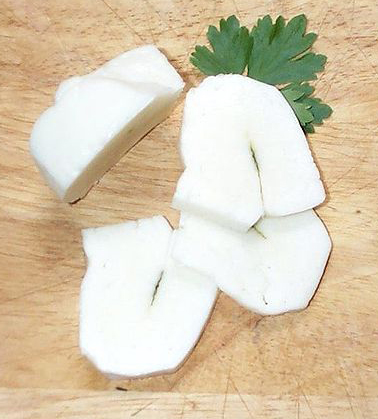
Following this heating, the cheese is often folded and shaped, sometimes even traditionally folded over fresh mint leaves. Mint is more than just a flavor enhancer; it's believed to have antimicrobial properties that aid in preservation. Finally, the cheese is brined in salty water, which further preserves it and imparts its characteristic salty flavor. This entire process results in a cheese that is firm, chewy, and irresistibly "squeaky" when eaten.
The PDO Seal: Protecting an Authentic Heritage
The global surge in halloumi's popularity, while a testament to its deliciousness, also brought challenges, particularly concerning authenticity and origin. For decades, there were disputes and debates, especially around milk ratios and production methods, leading to a significant effort to protect this iconic Cypriot product.
This culminated in a monumental achievement in April 2021, when the European Union officially granted halloumi (or hellim for Turkish Cypriots) Protected Designation of Origin (PDO) status. This designation is not just a label; it's a legal safeguard, mandating that only cheese produced in Cyprus, adhering to specific traditional methods and precise milk ratios (primarily sheep's and goat's milk, with limited cow's milk allowed), can bear the coveted name. The PDO status underscores the intrinsic link between the cheese, its Cypriot origin, and the centuries-old craftsmanship involved in its making.
The journey to PDO status was a complex one, involving efforts to resolve intercommunal tensions over recipes and production standards. It represents a victory for cultural heritage, ensuring that future generations can enjoy authentic halloumi as it was traditionally intended, preserving its unique properties against potential dilution. For a deeper dive into this important designation, read about Cypriot Gold: Understanding Halloumi's EU PDO Protection.
Why Halloumi Stands Out: Its Unique Qualities and Culinary Versatility
The Non-Melting Marvel and Culinary Inspiration
Perhaps the most celebrated quality of halloumi is its extraordinary resistance to melting. Unlike most cheeses that turn into a gooey liquid when heated, halloumi retains its shape, developing a beautiful golden-brown crust and a soft, yielding interior when grilled, fried, or baked. This unique characteristic makes it incredibly versatile and a favorite for cooking, lending itself to a vast array of dishes.
From a quick pan-fry to a centerpiece on a barbecue, halloumi shines. In Cyprus, thin slices are often cooked in a hot pan, much like Greek saganaki, until crisp and golden, then drizzled with olive oil or lemon. It’s a fantastic addition to salads, offering a salty counterpoint to fresh greens and vegetables. Skewers featuring halloumi alongside cherry tomatoes, bell peppers, and zucchini are summer barbecue staples. It can be grated, fried into crispy "fries," or used in sandwiches and wraps. Its firmness means it can even be baked into casseroles or incorporated into pasta dishes without disappearing. Halloumi truly invites creativity in the kitchen.
Ever wondered about the science behind this culinary magic? For an in-depth explanation, explore Why Halloumi Won't Melt: The Secret Behind Cyprus's Grillable Cheese.
A Symphony of Flavors and Textures
Beyond its grillability, halloumi offers a distinctive sensory experience. Its texture is famously fibrous and springy, delivering a satisfying "squeak" with every bite. The flavor profile is generally mild yet distinctly salty, a direct result of its brining process. This saltiness is beautifully complemented by the subtle, refreshing notes of mint, which often infuse the cheese during production.
When cooked, the exterior develops a savory umami richness, while the interior softens, creating a delightful contrast. This balance of chewiness, saltiness, and freshness makes halloumi incredibly appealing, both on its own and as an enhancing ingredient in more complex dishes.
Nutritional Snapshot: Enjoying Halloumi Responsibly
As part of a balanced diet, halloumi offers several nutritional benefits, though its unique production also means some considerations. A typical 1-ounce (28g) serving provides approximately 90 calories, alongside a significant 6-7 grams of protein, making it an excellent source of this essential macronutrient. It's also a good source of calcium, crucial for bone health.
However, due to its brining and fat content—key factors in its preservation and grill resilience—halloumi is also relatively high in sodium (around 350mg per serving) and saturated fat. While these components are integral to its identity rather than modern additives, they suggest that halloumi, like many delicious cheeses, is best enjoyed in moderation. Pairing it with fresh vegetables or lean proteins can help balance its richness within a meal.
Halloumi: A Global Phenomenon Rooted in Cyprus
From its humble beginnings as a practical staple in Cypriot villages, halloumi has transformed into a global culinary sensation, gracing menus from fine dining establishments to casual backyard barbecues. Its versatility, unique texture, and savory flavor have resonated with food lovers across continents, making it a beloved ingredient in countless kitchens.
Yet, despite its international renown, halloumi remains intrinsically linked to Cyprus. Its PDO status ensures that every authentic piece carries with it the legacy of Cypriot cheesemaking, the island's unique terroir, and the dedication of generations of artisans. It's a taste of Cyprus, wherever you may be in the world.
Halloumi is far more than just a cheese; it's a culinary icon with a rich tapestry of history, tradition, and innovation woven into its very fabric. Its journey from ancient preservation method to modern gourmet delight highlights its enduring appeal and unique qualities. Whether grilled, fried, or baked, halloumi continues to delight, offering a taste of Cypriot heritage with every satisfying, squeaky bite.
