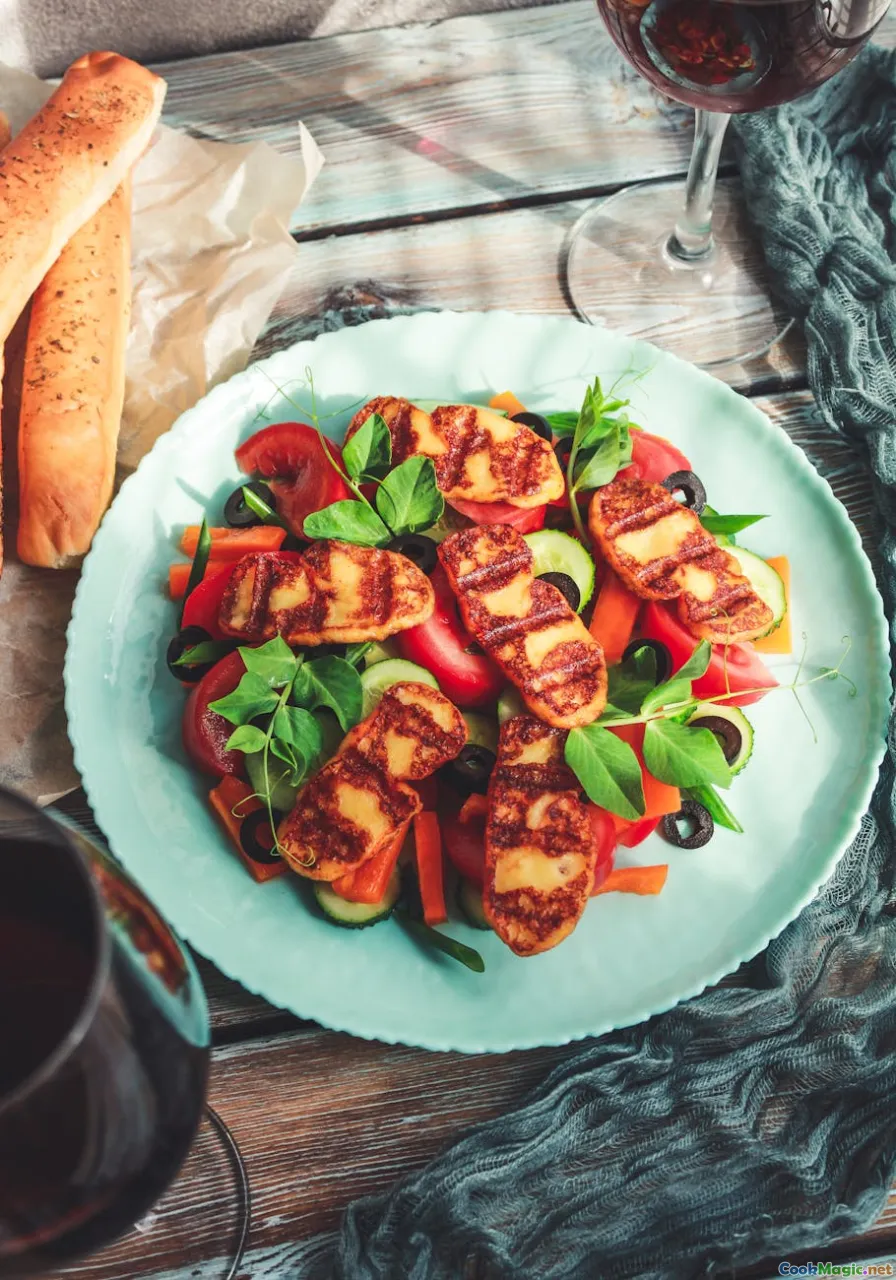
From the sun-drenched island of Cyprus comes a culinary treasure that has captured the hearts and palates of food lovers worldwide: halloumi. This distinctive cheese, celebrated for its unique squeaky texture and remarkable ability to withstand high heat without melting, has become a global sensation. But beyond its delicious taste and versatility lies a fascinating story of cultural heritage, tradition, and a hard-won battle for authenticity, culminating in its esteemed European Union Protected Designation of Origin (PDO) status. Understanding halloumi's PDO protection isn't just about geographical markers; it's about preserving centuries of Cypriot craftsmanship and ensuring the true essence of this "Cypriot Gold" endures.
What Exactly is Halloumi? A Culinary Gem from Cyprus
At its heart, halloumi is a semi-hard, unripened cheese, traditionally brined and originating from the vibrant culinary landscape of Cyprus. Its most defining characteristic is its high melting point, a property that allows it to be grilled, fried, or baked to golden perfection without losing its shape, yielding a delightful chewy interior and a crisp, savory exterior. This makes it an unparalleled choice for everything from skewers and salads to hearty vegetarian mains.
Traditionally, authentic halloumi is crafted from a precise blend of sheep's and goat's milk, sometimes incorporating a small amount of cow's milk, particularly in modern production due to supply considerations. However, the PDO status now strictly defines these ratios. The cheese gains its signature flavor and texture through a meticulous process involving heating the curds, pressing them into molds, folding, and then salting, often with fresh mint leaves tucked in – a practice that not only adds a subtle aromatic note but also helps preserve the cheese.
The history of halloumi stretches back centuries, with documented production in Cyprus dating to at least the 16th century. It has long been a staple of local cuisine, valued not only for its distinct taste but also for its excellent keeping qualities when preserved in brine, requiring no refrigeration in traditional settings. The very name "halloumi" itself speaks to its ancient roots, deriving from the Egyptian Arabic term ḥallūm, which denotes a squeezable or mild cheese. This Semitic root, tracing back to Coptic influences in ancient Egypt, travelled across the Eastern Mediterranean, adapting into the Greek χαλούμι (challoúmi) in Cyprus and hellim in Turkish, reflecting a shared regional culinary heritage.
The EU PDO Status: Protecting a Legacy
The global surge in halloumi’s popularity, while a testament to its deliciousness, also brought challenges. As demand soared, so did the production of "halloumi-style" cheeses outside Cyprus, often using different milk compositions and methods that diluted the original product's authenticity. This led to decades of dedicated efforts by Cypriot producers to secure legal protection for their national treasure.
Finally, in April 2021, the European Union granted halloumi Protected Designation of Origin (PDO) status. This monumental decision ensures that only cheese produced within Cyprus, adhering to specific, traditional methods and utilizing defined milk ratios, can legitimately bear the name "halloumi." This protection is not merely a formality; it is a vital safeguard that:
- Preserves Authenticity: It guarantees consumers worldwide that when they buy halloumi, they are getting a product true to its Cypriot origins and traditional recipe.
- Upholds Traditional Methods: The PDO mandates adherence to the time-honored production techniques that have been passed down through generations, ensuring the cheese retains its unique characteristics. For a deeper dive into these methods, explore Halloumi Uncovered: History, Production & Unique Cypriot Qualities.
- Resolves Disputes: It formalizes decades of intercommunal discussions and tensions, particularly concerning the inclusion of cow's milk. The PDO rules prioritize the traditional blend of sheep's and goat's milk, which many purists argue is essential for halloumi's distinct properties.
- Supports Cypriot Producers: It protects Cypriot farmers and cheesemakers, giving them exclusive rights to market their product under the revered halloumi name, thereby supporting local economies and cultural heritage.
The PDO status is a triumph for Cyprus, signifying international recognition of halloumi as an integral part of the island’s cultural identity and culinary heritage.
The Halloumi Difference: Why It Grills So Well
What makes halloumi stand out from virtually every other cheese is its extraordinary resistance to melting under high heat. While a mozzarella might become a gooey puddle, halloumi transforms into a beautifully browned, crusty exterior with a soft, yet still firm and squeaky interior. This remarkable property is not a coincidence; it's a direct result of its unique production process.
During its creation, halloumi curds are heated to a high temperature while still in the whey. This cooking process alters the protein structure of the cheese, specifically its casein proteins, making them much more heat-resistant. Unlike many other cheeses where the casein proteins break down and release fat when heated, halloumi's proteins bind together more tightly, holding its shape and moisture even at high temperatures. This is the secret behind its grillable, fryable magic. To understand this phenomenon in more detail, check out Why Halloumi Won't Melt: The Secret Behind Cyprus's Grillable Cheese.
Tips for Cooking Halloumi to Perfection:
- Pat Dry: Before cooking, gently pat the halloumi slices dry with a paper towel. This helps achieve a better sear and a crispier crust.
- High Heat is Key: Whether grilling, frying, or baking, use medium-high to high heat. This allows the exterior to brown quickly before the interior softens too much.
- Don't Overcrowd: Cook halloumi in batches if necessary to avoid overcrowding the pan or grill. This ensures each piece gets adequate heat and ventilation, preventing steaming.
- Quick Turnaround: Halloumi cooks quickly! Usually 2-4 minutes per side is sufficient until golden brown.
- Serve Immediately: While it holds its shape, halloumi is best enjoyed fresh off the heat when its texture is at its peak.
Beyond the grill, halloumi's versatility shines. Thin slices are delicious in salads, cubed in stir-fries, or even grated over pasta. Its mild, salty flavor pairs wonderfully with fresh mint, lemon, watermelon, figs, honey, and a variety of roasted vegetables.
Nutritional Profile and Mindful Consumption
As a dairy product, halloumi offers notable nutritional benefits. A typical 1-ounce (28g) serving provides approximately 90 calories, alongside a healthy dose of 6-7 grams of protein, making it a satisfying addition to meals, especially for vegetarians seeking protein alternatives. It's also a significant source of calcium, crucial for bone health and other bodily functions.
However, like many cheeses, halloumi is also relatively high in sodium and saturated fat. A 1-ounce serving can contain around 350mg of sodium, primarily due to the brining process that is essential for its preservation and distinct flavor profile. Its fat content also contributes to its unique texture and grilling properties. Therefore, while delicious and nutritious, halloumi is best enjoyed in moderation as part of a balanced diet. Its caloric density and salt content are direct consequences of its traditional preparation, rather than modern additives, underscoring the deep connection between its unique qualities and its ancient methods.
Conclusion
Halloumi is far more than just a cheese; it is an edible emblem of Cypriot heritage, a testament to centuries of culinary tradition, and a beloved staple that has found its way onto plates across the globe. Its EU PDO protection is a critical milestone, ensuring that the authentic "Cypriot Gold" – with its traditional blend of sheep's and goat's milk and distinctive production methods – is safeguarded for future generations. As you savor the unique squeak and savory flavor of grilled halloumi, you're not just enjoying a delicious meal; you're tasting a piece of Cyprus, preserved and celebrated. Embrace the opportunity to experience the true halloumi, a cheese with a story as rich and compelling as its flavor.
